Unstructured.io alternative

Meet Meibel: AI That Acts on Your Documents, Not Just Prepares Them

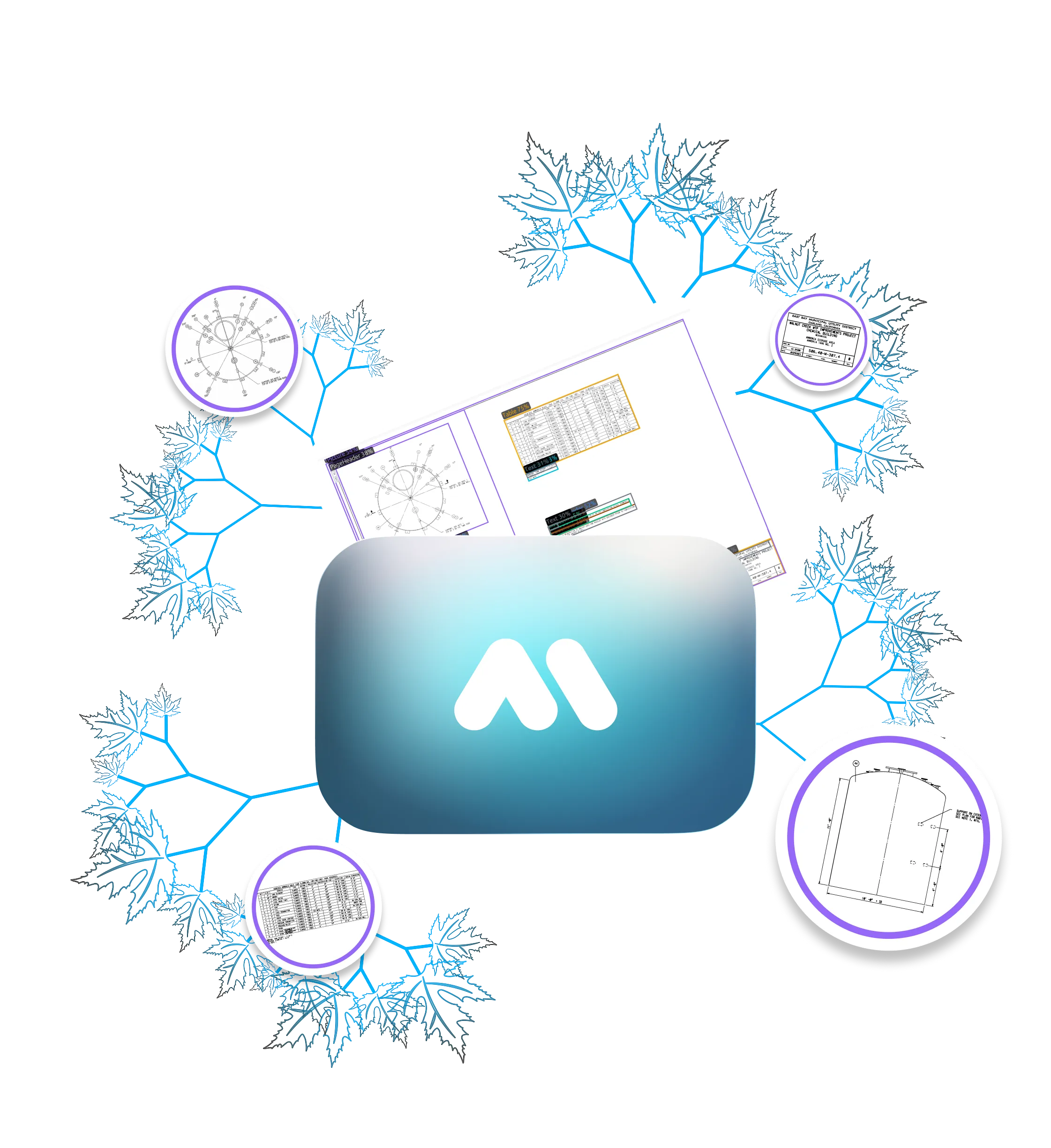
One platform for ingestion, retrieval, confidence scoring, and agent execution. No separate tools, no glue code.
Trusted by:

Meibel vs Unstructured

Data Preparation Gets You Clean Chunks. Document Intelligence Gets You Working Agents.

Unstructured.io

An ETL platform that partitions unstructured documents into clean, structured elements across 64+ file types and 30+ connectors, preparing data for a vector database and retrieval framework the team brings separately. Adopted by Fortune 500 data teams as the ingestion layer ahead of a RAG stack.

Meibel Logo

Meibel

An AI orchestration platform built around Document Intelligence: a single system for parsing, cross-document understanding, confidence scoring, and agent deployment, so engineering teams can go from raw documents to a governed, production-ready agent without assembling separate tools for retrieval, scoring, and execution.

Why Production AI Teams choose Meibel

Because Meibel goes beyond AI context

  • No pipeline to build on the other side

    Unstructured prepares data for a stack you still have to build. Meibel is that stack: ingestion, retrieval, confidence, and agents run natively on one platform.

  • Corpus-level understanding, not document-level chunks
    Meibel resolves cross-document relationships automatically at ingest. An agent built on Meibel can trace a clause to the amendment that overrides it.

  • Confidence before production, not after
    Every output is scored and routed before it reaches a person or a downstream system. Teams using an ETL-first approach typically add this layer by hand, if they add it at all.
Why Production AI Teams choose Meibel

Data Ingest

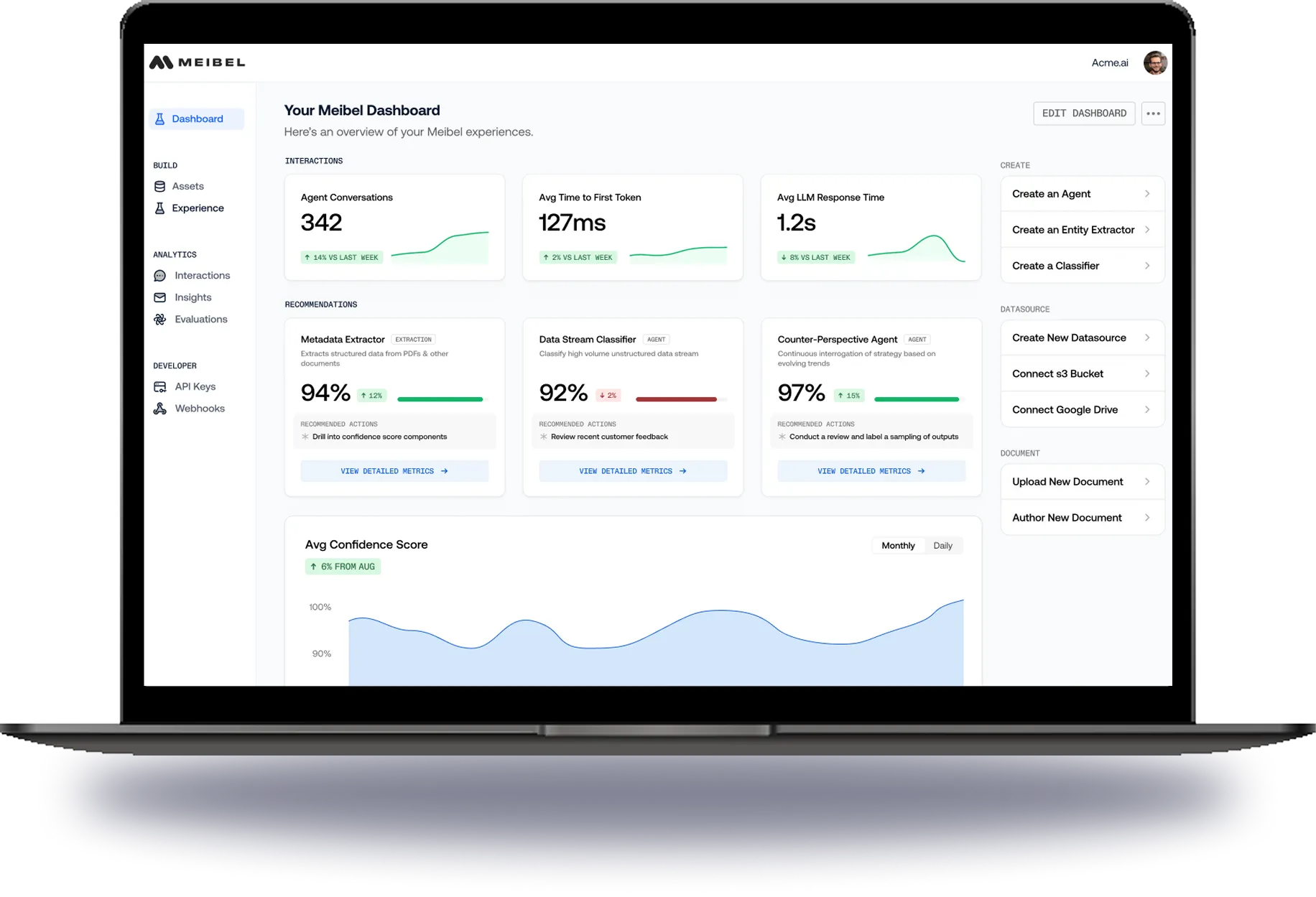
Any Data Format. Enterprise Volumes.
No preprocessing

Point Meibel at your data. It handles classification, processing, and structuring. No pipeline to build, no schema to define, no infrastructure to manage.
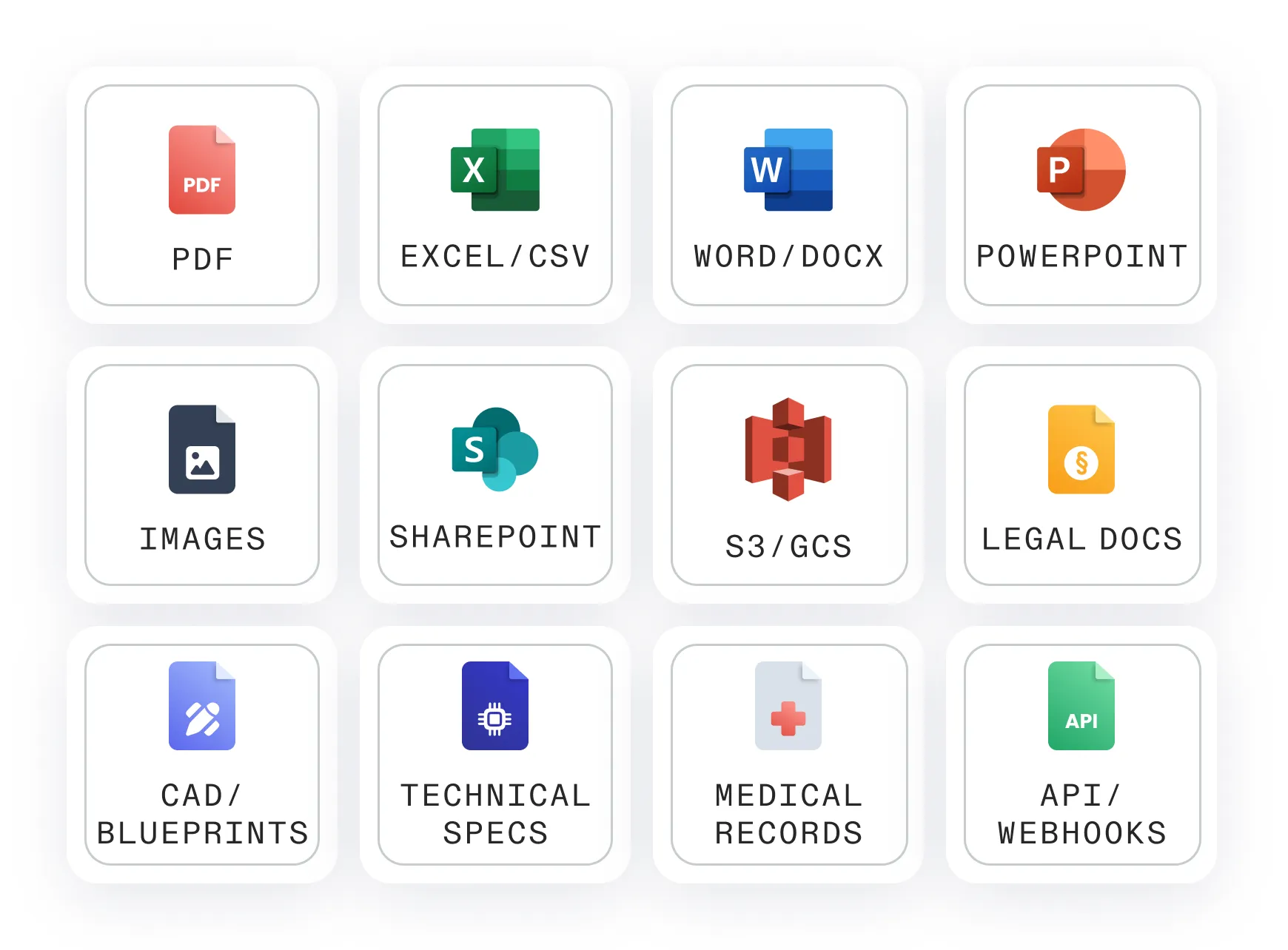
Meibel Dashboard

platform comparison

Compare Meibel and Unstructured on AI, Structure, and Production Readiness

This comparison is based on publicly available product documentation, and customer case studies from both companies as of July 2026. We update this page when products change.

Category
AI Orchestration Platform
Meibel
Document processing tool
Unstructured
Document parsing & structure extraction
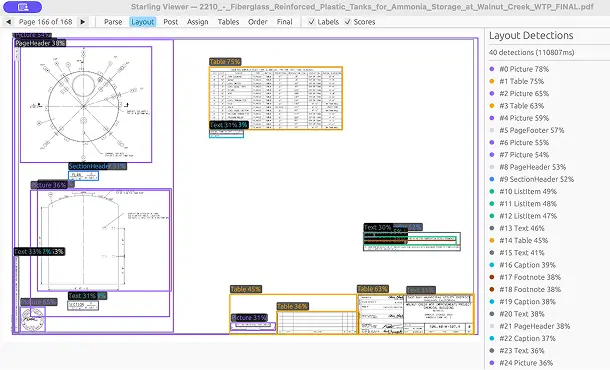
Any file, any complexity. Tables stay structured, handwriting gets read, mixed content handled automatically across 25+ formats.
Any file, any complexity. Semantic partitioning into titled, paragraph, table, and image elements with OCR and visual-language parsing built in.
One platform from ingestion to deployed agent
Whether the full pipeline runs without external tooling
End-to-end. Ingestion, understanding, confidence scoring, and agent execution without assembling a separate stack.
Ingestion, chunking, and embedding in one platform. Vector database, retrieval layer, and agent runtime are built and maintained separately.
Chunking and embedding
Whether the platform prepares data for retrieval natively
Native. Chunking, embedding, and retrieval run on the same platform with no external tooling required.
Native. Semantically enriched chunking with summaries, metadata, and captions. Embedding generation available.
Vector database required
Whether external infrastructure is needed for retrieval
Built in. No separate vector database required. Structured and unstructured retrieval runs natively.
Required separately. Outputs are designed for IBM Milvus, Pinecone, or other vector databases the team provisions and maintains.
Cross-document reference graphs
Whether relationships between documents are tracked natively
Built automatically at ingest. Explicit citations and implicit references resolved into a traversable graph. Retrieval follows the full chain without manual wiring.
Not published. Documents are partitioned independently. Cross-document relationship tracking is not described in public product documentation.
Confidence scoring on outputs
Whether individual outputs carry a trust signal
Every output scored across 14 dimensions, integrated into execution.
Not published. No per-output confidence scoring described in public documentation.
Agent building and orchestration
Whether agents can be built on the same platform
Native agent runtime. Agents built directly on the same corpus. No separate orchestration layer, vector database, or glue code required.
Not available. Unstructured prepares structured data for agents built on external frameworks. Agent logic lives outside the platform.
Try Meibel free on your documents

meibel’s Use Cases

Already Improving Outcomes for Teams Across Industries

One data corpus. Multiple experiences. Meibel lets you process your data once and build as many solutions as you need on top, without reprocessing or rebuilding your pipeline.

Manufacturing and industrial distribution

Product data sheets, COAs, OEM manuals, safety documents, and supplier records. Extract chemical characteristics where a single wrong digit creates legal liability. Consolidate supplier COA data across thousands of formats for trend analysis. Teams processing 30,000+ documents per month.

Construction and engineering

Specifications (1,600+ pages), RFPs, drawings, invoices, and inspection documents. Pull requirements from long technical documents and follow cross-references across the project corpus. Match spec requirements to SOPs and push structured data to project management systems. 100+ projects per year.

Financial services

Legal agreements (600+ pages), filings, covenants, triggers, and structured/unstructured financial data. Extract covenants that reference other covenants and triggers that reference transaction mechanisms. Combine precise queries with traceable document reasoning.

Legal, compliance, government, and healthcare

Regulations, filings, medical records, compliance frameworks, and personnel records. Translate regulatory documents into compliance policies. Cross-reference regulations with structured compliance data. Preserve provenance and control review paths for high-stakes outputs. Full audit trails for every extraction.

Insurance

Carrier statements, COIs, plan documents, and claims. Extract policy details, financial fields, and coverage metadata with confidence-gated review. Handle handwriting alongside typed text, stamps, and annotations. Teams scaling from hundreds to tens of thousands of users.
Trusted by:

try meibel

Try Meibel on Your Documents Free

Before you commit to Reducto, explore Meibel
side-by-side with your use case.

Frequently Asked Questions

We're using Unstructured's open source library. Does switching to Meibel mean giving up that flexibility?

Meibel is a managed platform, not an open source library. The tradeoff is no infrastructure to host, maintain, or upgrade. Teams that chose the open source route specifically for self-hosting have a different set of requirements than teams that used it because it was free to start. Book a demo and we'll talk through deployment options.

We already have a vector database set up alongside Unstructured. What happens to it if we switch?

Meibel handles retrieval natively, so the external vector database isn't needed. Whether that's a simplification or a disruption depends on how much your team has built around it. A demo call can walk through what the transition looks like for your specific setup.

What's the difference between document ETL and document intelligence?

ETL prepares documents for a pipeline: partition, chunk, embed, hand off. Document intelligence goes further: it understands how documents relate to each other, scores whether the output can be trusted, and lets you build agents on the result without a separate stack. Unstructured is built for the first. Meibel is built for both.

Meibel vs Unstructured for RAG: what's the actual difference?

Unstructured prepares data for RAG. Meibel runs it. With Unstructured, chunked output goes into a vector database and retrieval framework your team builds and maintains. With Meibel, retrieval runs natively on the same corpus, combined with graph traversal and structured queries in a single execution step.

How does Meibel compare to Unstructured on price?

Unstructured has a free tier and pay-as-you-go pricing for the ingestion layer. Meibel covers ingestion plus everything downstream, so the comparison isn't one API against another. The relevant question is total cost: Unstructured plus the vector database, embedding service, retrieval layer, confidence checks, and agent orchestration your team builds on top. Sign up for Meibel's self-serve or book a demo to scope it against your actual volume.