Free Webinar
In partnership with

Business documents arrive as PDFs, scans, forms, tables, drawings, and handwritten notes. In this 45-minute webinar, Meibel and York IE will show real examples from the field on how documents become structured, traceable data, then how production AI agents use that data across real workflows.





Having built AI products across more than a dozen industries, York IE has seen the same pattern: teams fix the prompt, tune the model, and redesign the workflow, without ever looking at where the data came from.
Most tools read a file as a stream of text. Tables flatten. Footnotes drift. Handwriting disappears. The structure that gives a document its meaning doesn't survive the extraction.
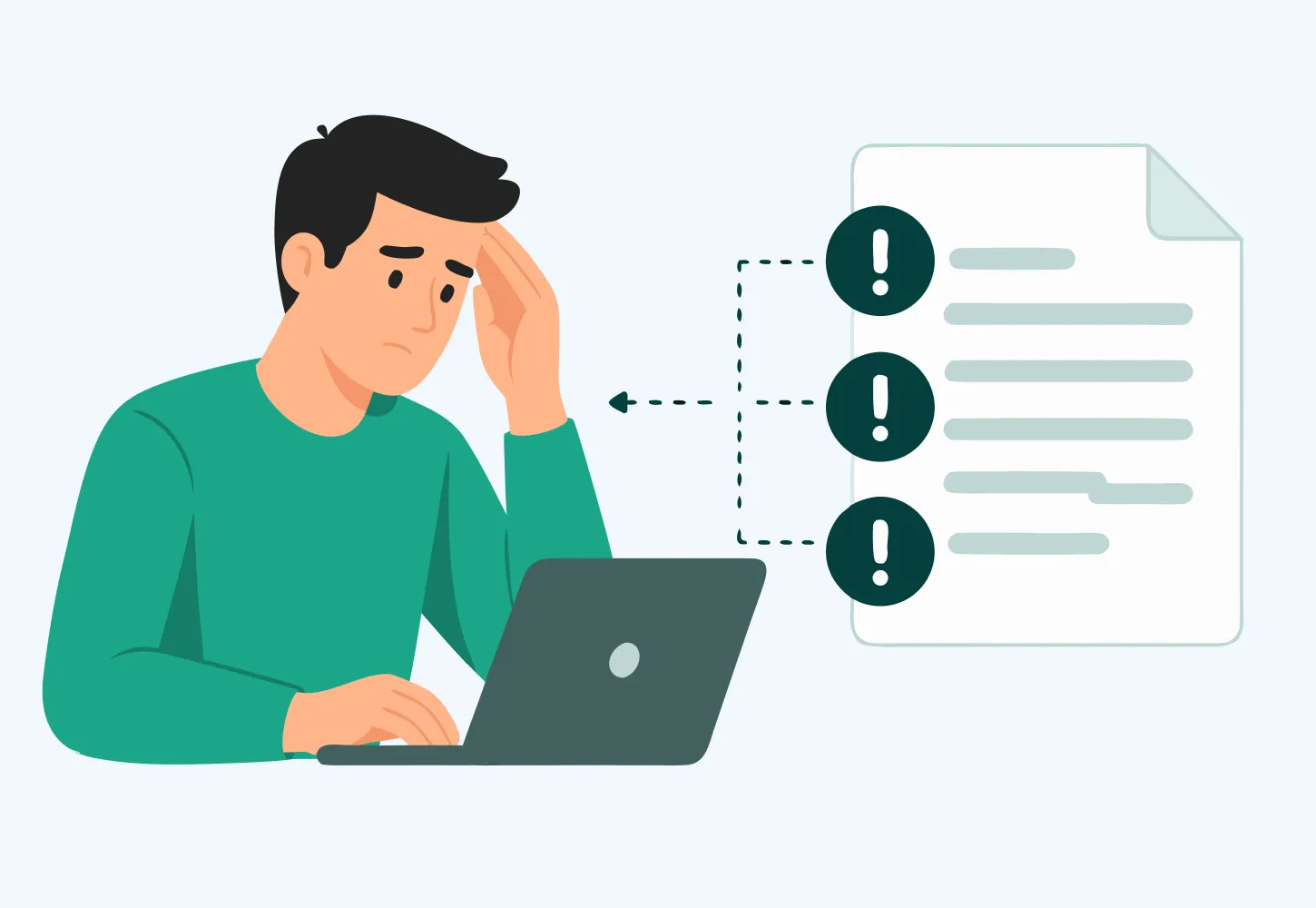
Even when values are extracted, there's no way to know which ones to trust. No confidence score. No source location. No indication of what was certain and what was a guess.
Agents inherit whatever the data layer gives them. A flattened table, a missing footnote, an unscored value — the agent doesn't know what it doesn't know. Errors don't announce themselves. They surface in the workflow.
York IE backs and builds more than 1,000 B2B software companies. Their team has been inside the AI projects.
York IE is an investment and operating firm that works hands-on with the companies it supports — not just on funding, but on building. Their technical team sits alongside founders and engineers to architect solutions, write code when needed, and help companies move AI from prototype to something that holds up in production.

Use Case
Every document AI project starts with the same question: how do we know we can trust this?
Meibel on the platform mechanics. York IE on what this looks like when a team is actually trying to ship. You'll leave with a framework for evaluating your document layer, questions to pressure-test any extraction tool, and the recording if you can't attend live.
For teams building AI on documents that do not behave like clean inputs.
AI builders, platform and data teams, product leaders, operations teams, and risk owners working with document-heavy AI workflows. The session is especially useful for teams moving from prototype to production.
We will cover how complex documents become structured data, how agents use structured and unstructured information together, and how provenance, confidence scoring, and execution policies support production workflows.
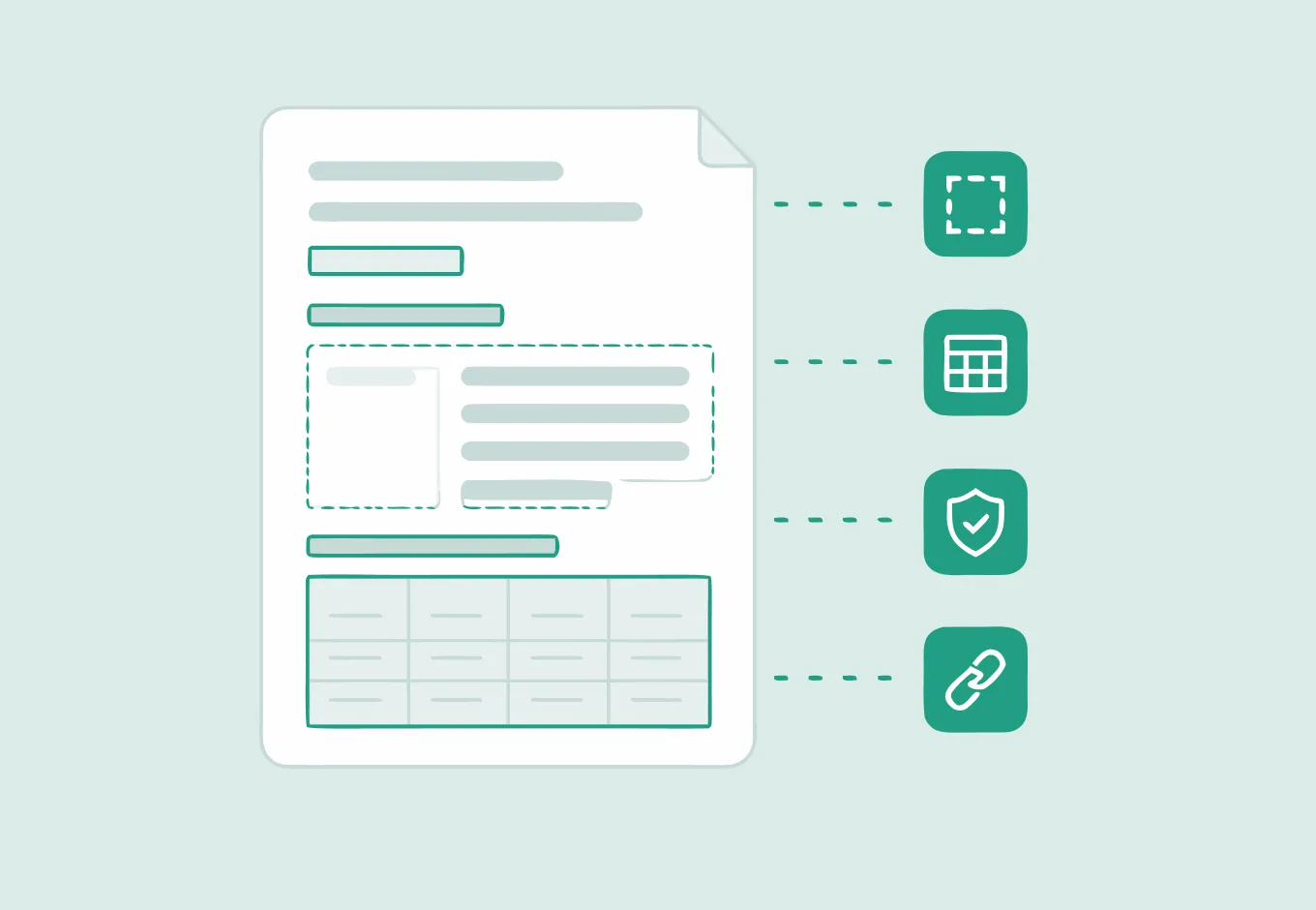
OCR converts images into text. Text extraction pulls words from a file. Document Intelligence also preserves layout, reading order, tables, images, handwriting, metadata, relationships, and source locations.
Complex documents carry meaning through structure. Flattening a table, changing the reading order, or separating a note from the field it explains gives retrieval and generation incomplete context.
Confidence scoring measures uncertainty at a specific field, retrieval step, or final output. Teams can move strong results forward, retry weak extraction, and route uncertain or critical results to review.
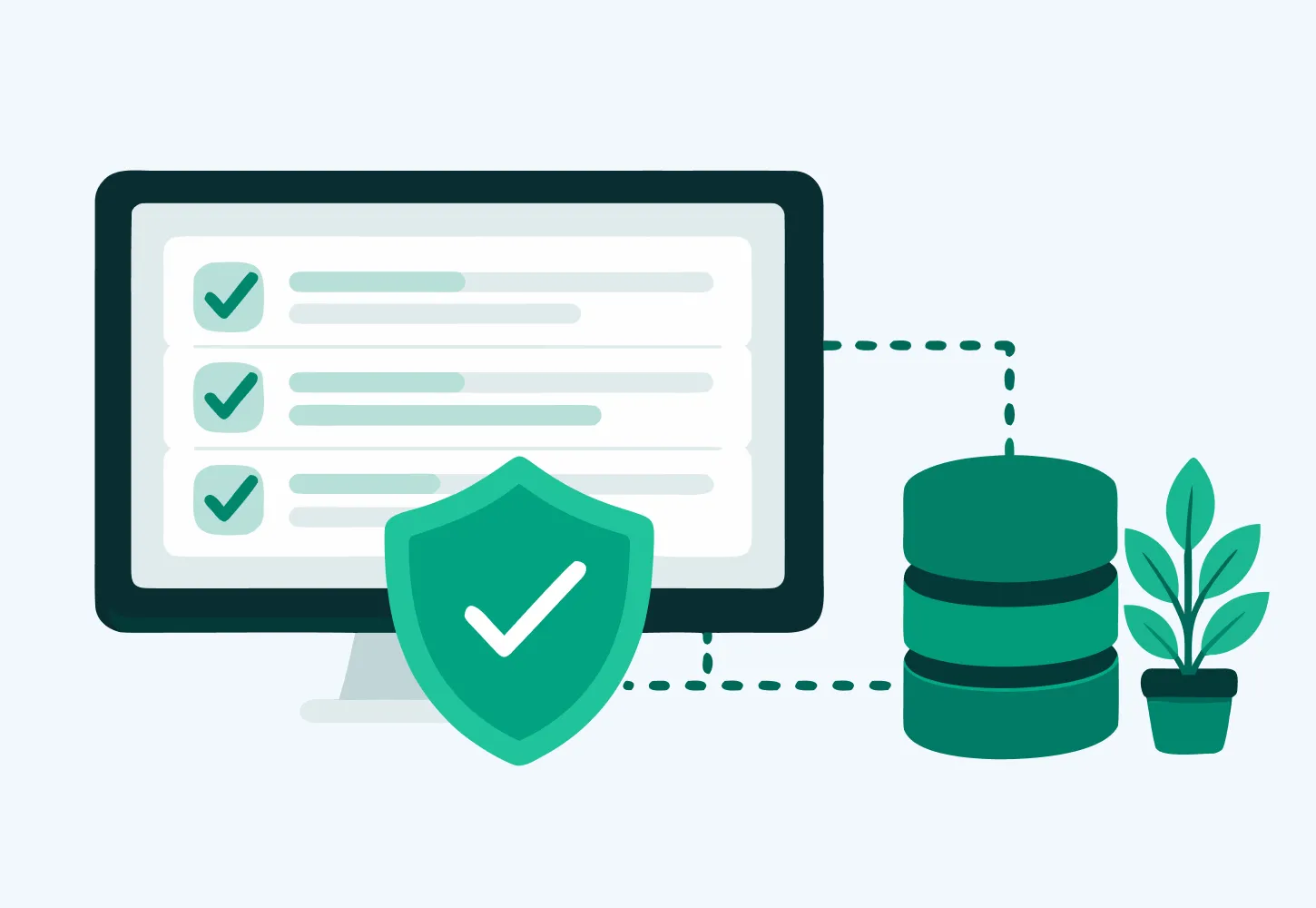
Execution policies define which data and tools an agent session can access at runtime. The platform enforces those limits outside the model, giving each user or workflow the permissions it needs.
Yes. The speakers will cover document-heavy workflows in construction, insurance, and engineering services, from the source document through the data layer to the agent's output.
Yes. Aaron will moderate a live Q&A at the end of the session. Everyone who registers will receive the recording after the webinar, even if they cannot attend live.