Democratizing AI: Breaking Down Barriers to Innovation
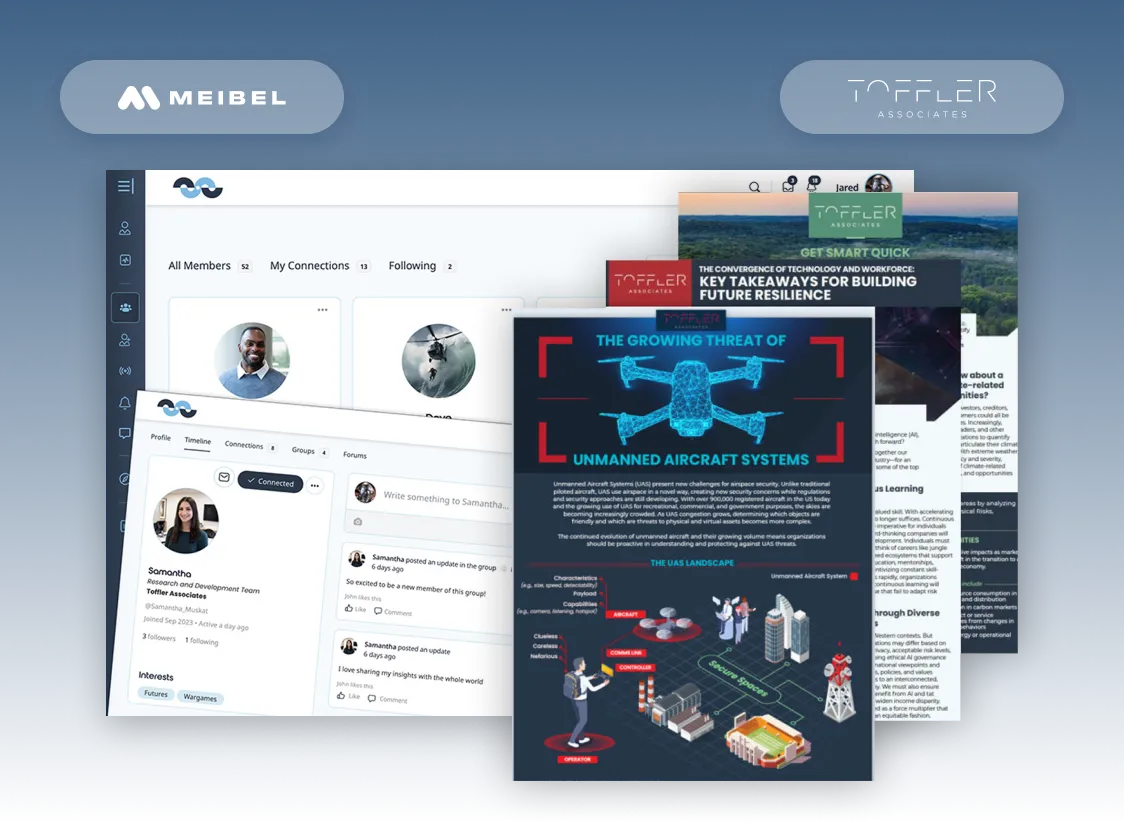


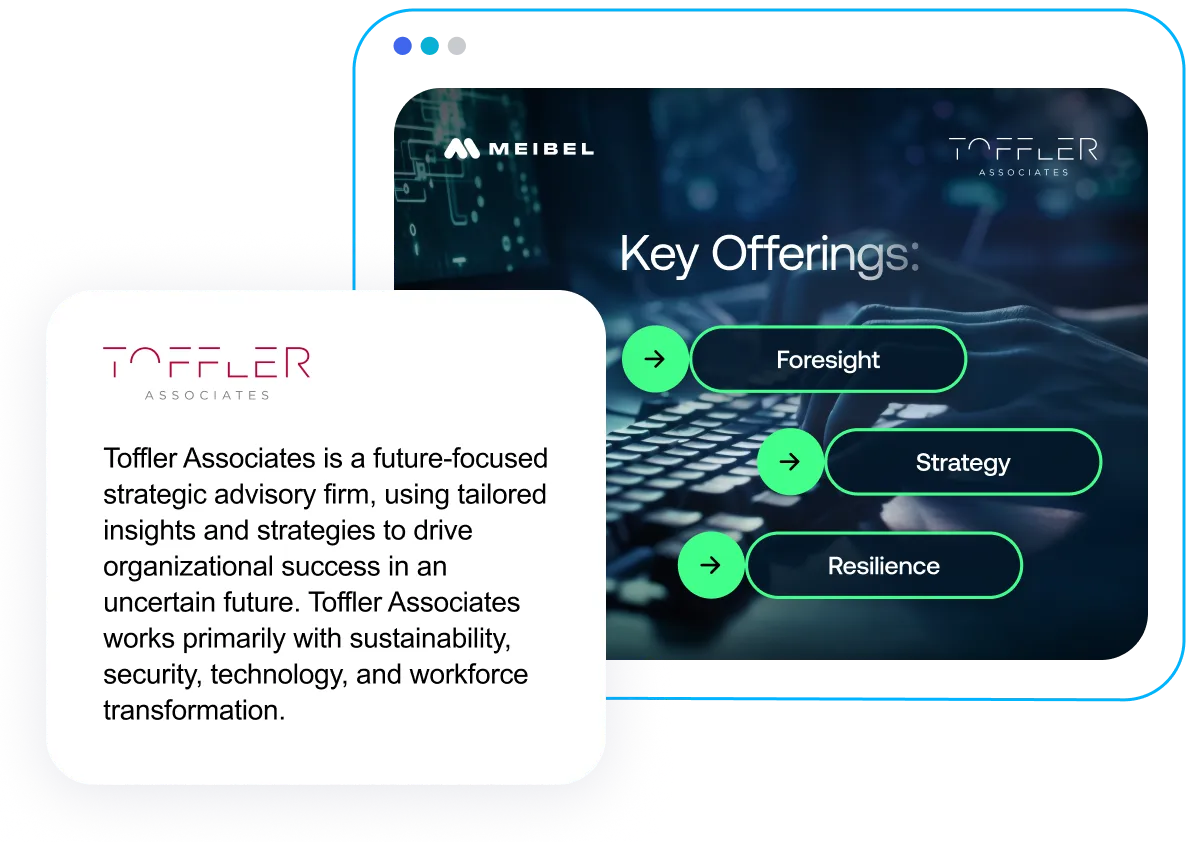
For decades, Toffler Associates has been the firm that helps leaders see what is coming next. Born from Alvin and Heidi Toffler’s legacy of future thinking, the company built its name by helping Fortune 500s and government agencies navigate disruption long before it hit their industries.
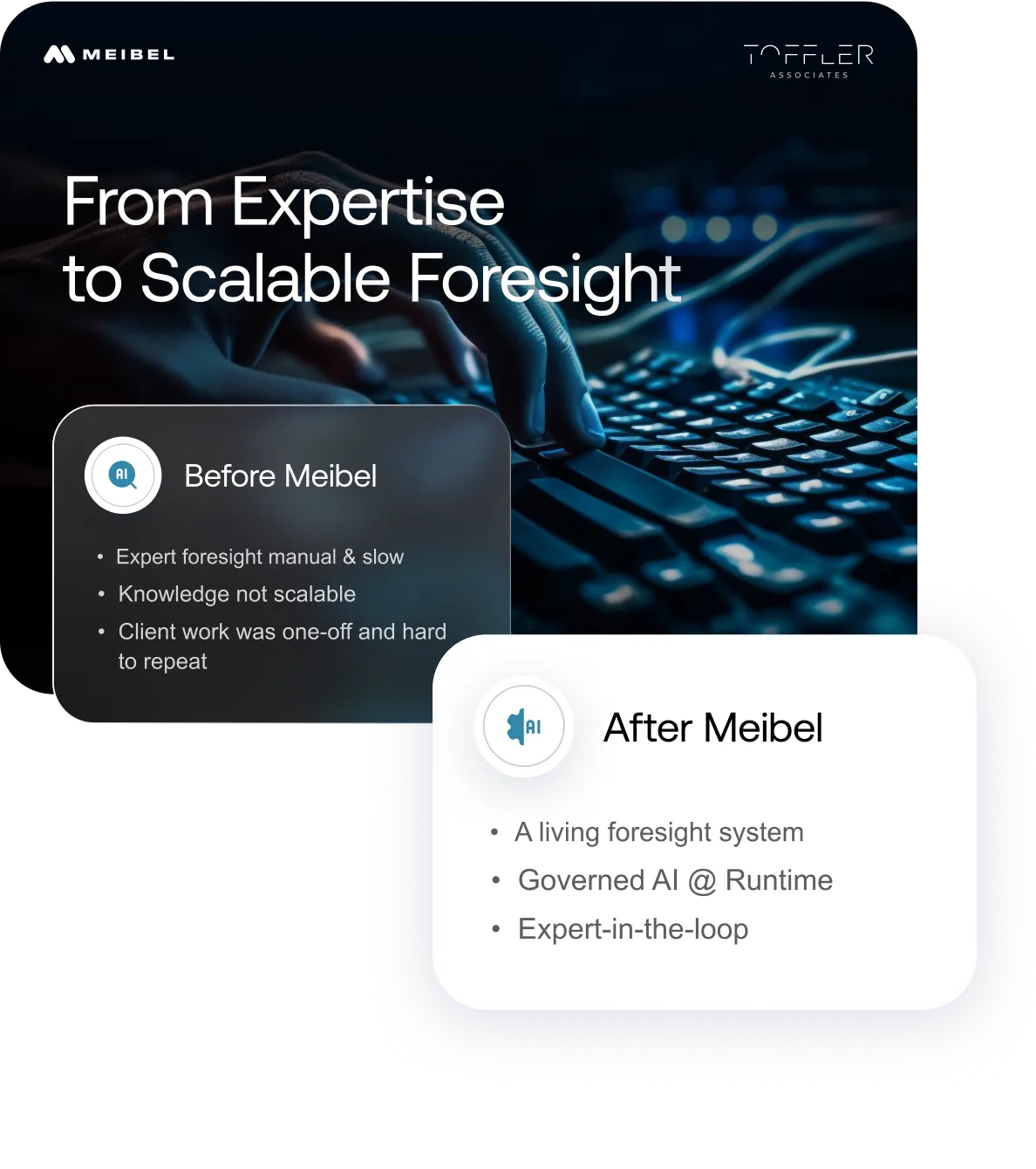
But even Toffler could not outrun the speed of change. The firm’s greatest strength, the judgment and experience of its analysts, became its biggest constraint. Its methods lived in expert minds, long reports, and static presentations. Clients wanted foresight that updated as quickly as the world did.
Paragraphs, not foresight
Toffler’s first experiment looked like what many teams have tried in the rush to use AI. They connected a large language model to years of research and asked it to write an analysis. At first, it seemed to work. The language was polished and persuasive, and it sounded exactly like the firm’s experts. But it was not thinking like them.
Their prototype ran on WordPress with a ChatGPT plug-in and hundreds of curated prompts from Toffler’s archives. It captured the firm’s tone but not its reasoning:
Outputs varied from run to run
Confidence could not be measured
Private client data could not be combined safely with Toffler’s research
That realization marked a turning point. The team had decades of foresight experience (e.g., frameworks for identifying disruption, differentiating episodic from systemic change, and tracing effects across ecosystems) but those methods were trapped in people’s heads and static documents.
That failure revealed something every team building AI eventually learns. A model can generate content, but it cannot create trust on its own. Without structure, governance, and measurement, it is impossible to reproduce expert judgment or make results reliable.
The result was clear: to scale foresight, they needed a system that could bring context, judgment, and adaptability together under human supervision.
The product decision
The failed prototype gave Toffler a clear direction. The team realized they did not need more experiments. They needed a product their customers could rely on. It had to think like Toffler, show its work, and improve every time it was used.
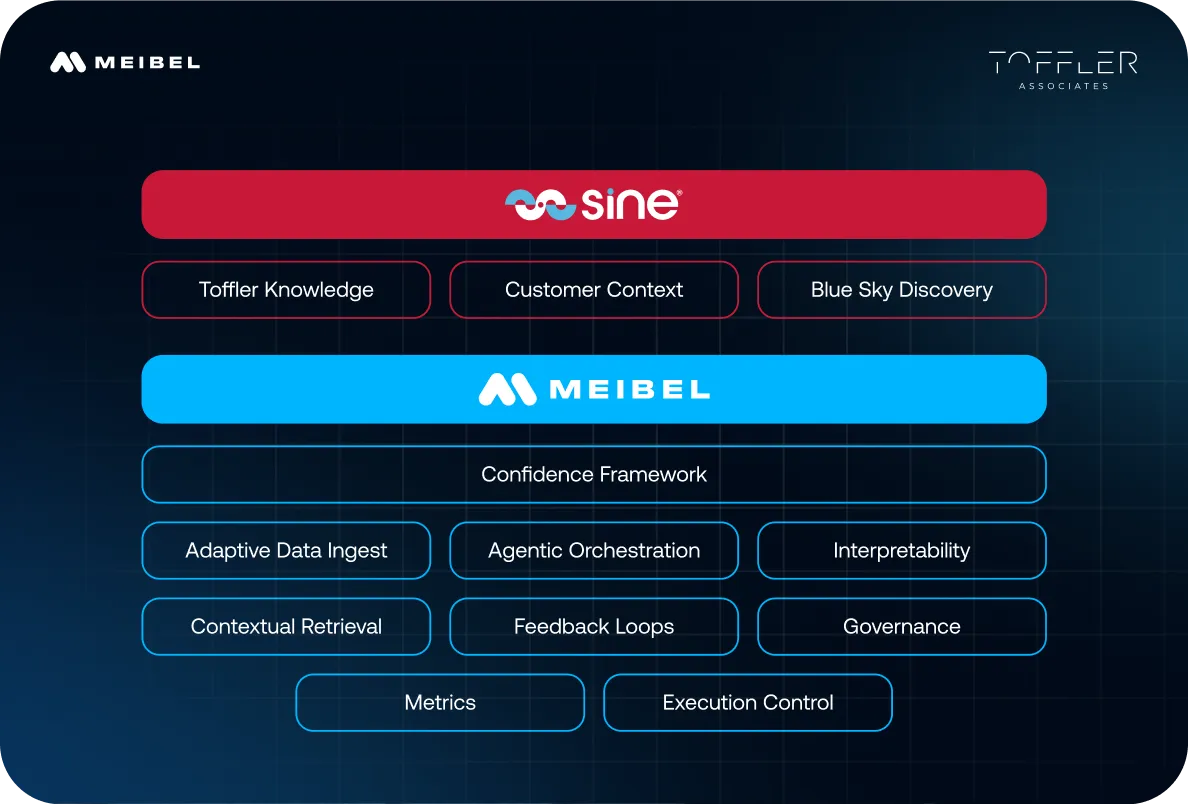
That insight became SINE. Built on the Meibel platform, SINE includes the parts that give AI systems confidence while they run Meibel.
These controls align with what Meibel calls the Pillars of Dependable AI: Context Optimization, Execution Control, Decision Tracking, Measurement and Evaluation, Workflow Management, and Feedback. These are the operational gaps Toffler had faced before SINE, and closing them turned foresight into a live, dependable capability.

Meet SINE:
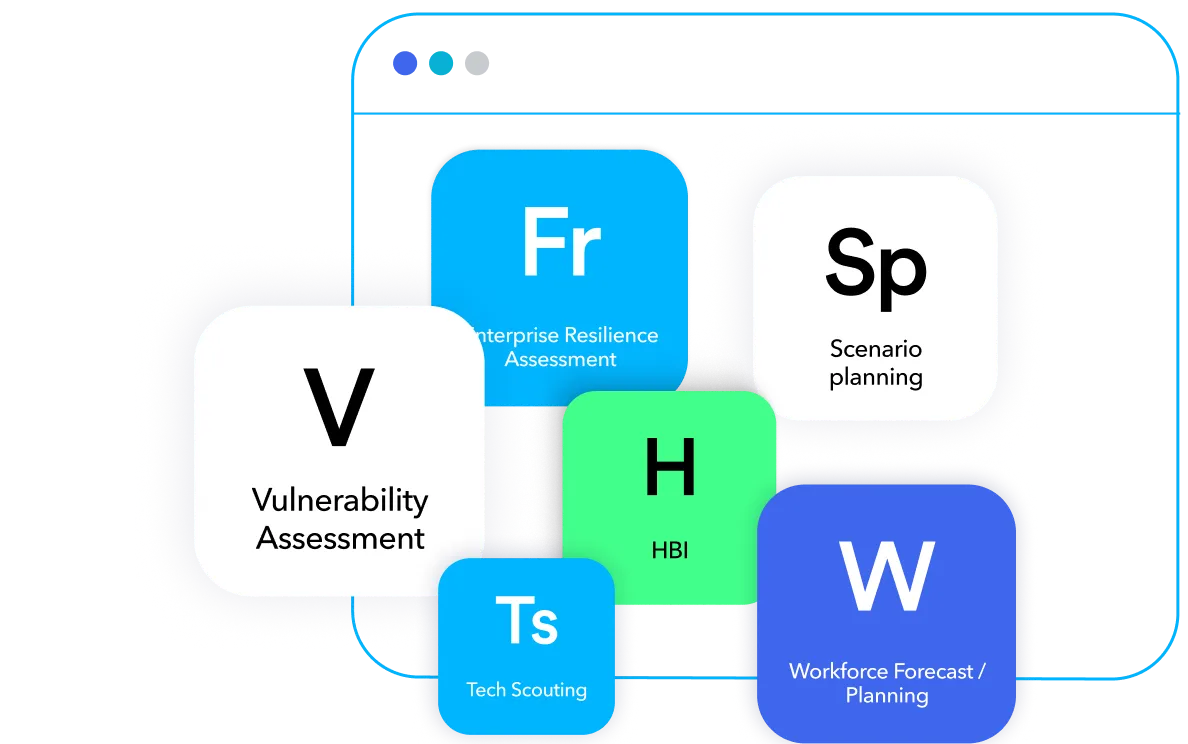
A foresight analysis and scenario platform
SINE is the system that turned Toffler’s foresight practice into software customers can use on their own. At its center is Sinebeacon, the foresight analysis engine powered by Meibel. Beacon allows clients to run structured foresight analyses without needing to contact an analyst. Each session draws from Toffler’s proprietary reasoning models, validated data, and decades of structured foresight work to produce analysis that is consistent, transparent, and tuned to their organization.
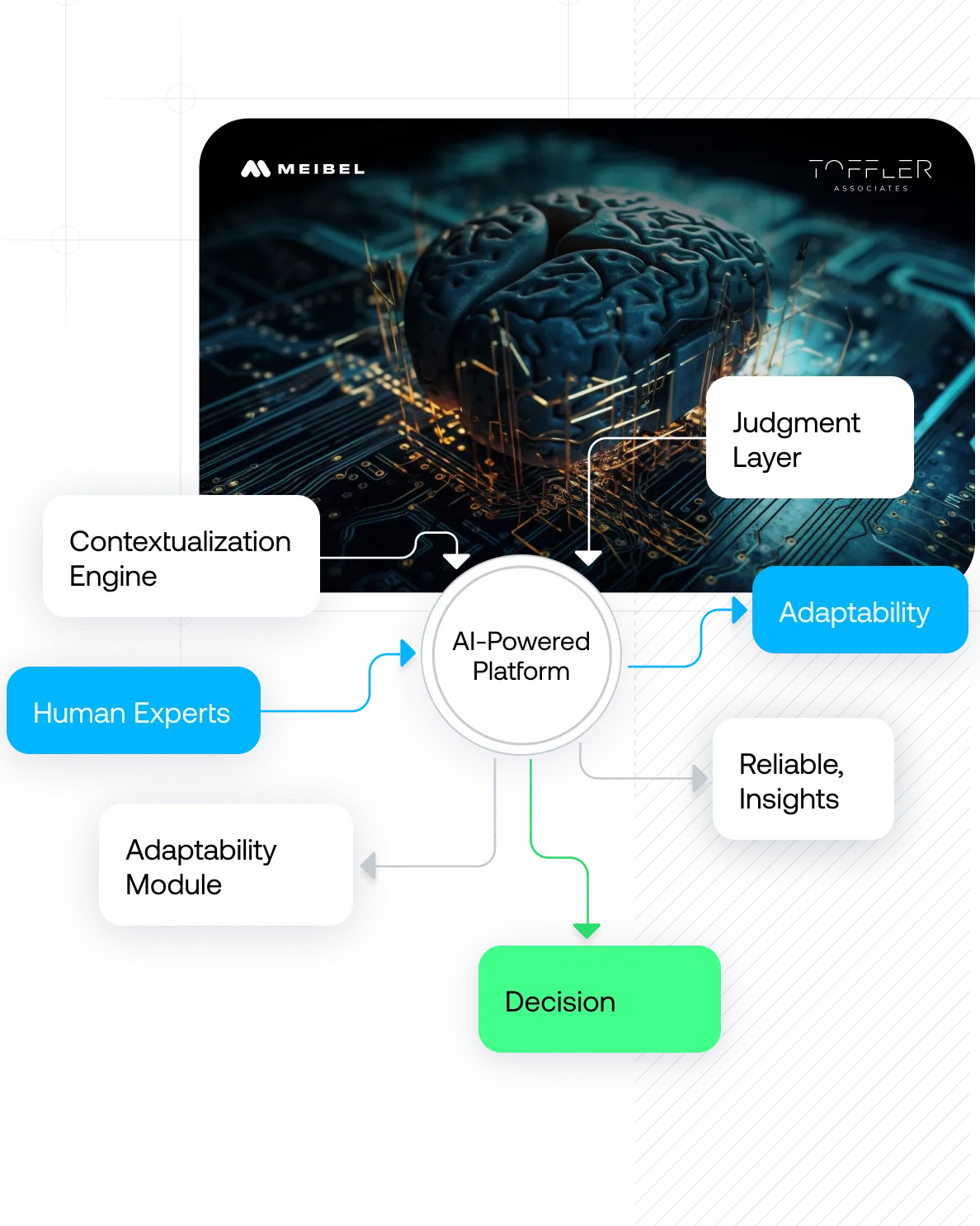
Behind the scenes, Toffler’s subject matter experts make sure the AI reflects both Toffler’s methodology and the customer’s unique context. Meibel’s platform manages this tuning process by preparing the right data, selecting the right retrieval paths, and scoring each result for quality and confidence. Every run of Beacon uses the latest insights while preserving the reasoning patterns that make Toffler’s approach distinct.
The result is a foresight capability that customers can operate themselves with the assurance that every output is backed by Toffler’s discipline and Meibel’s dependability. Analysts remain in the loop for review and refinement, but the daily analysis is now automated, measurable, and repeatable.
How SINE thinks
SINE brings three kinds of intelligence together in every analysis. The first is Toffler’s own methodology, built from decades of structured foresight work. The second is the customer’s data and context, drawn securely into each engagement. The third is a set of current external signals that reflect what is changing in the world.
The Meibel platform combines these layers to produce analysis that is both adaptive and reliable. It decides which information to use, applies Toffler’s logic, and brings an analyst in when judgment is required. Each result comes with sources, confidence scores, and a full record of how it was produced. Clients do not just see the outcome. They see how the insight was created and why they can trust it.
What changed
for customers
SINE changed what clients could expect from Toffler. Work that once took weeks now happens in days. Each analysis arrives with its sources, a confidence score, and clear reasoning, so clients can see exactly how an insight was built. Instead of static reports, they have a living system that keeps pace with new data and shifting conditions.
When results need review, SINE flags them and routes them to an analyst. Teams no longer spend time verifying what the system already knows. They focus on applying insight, not recreating it. Clients describe the shift as moving from a consulting project to a foresight capability they can use every day.
Why SINE is different
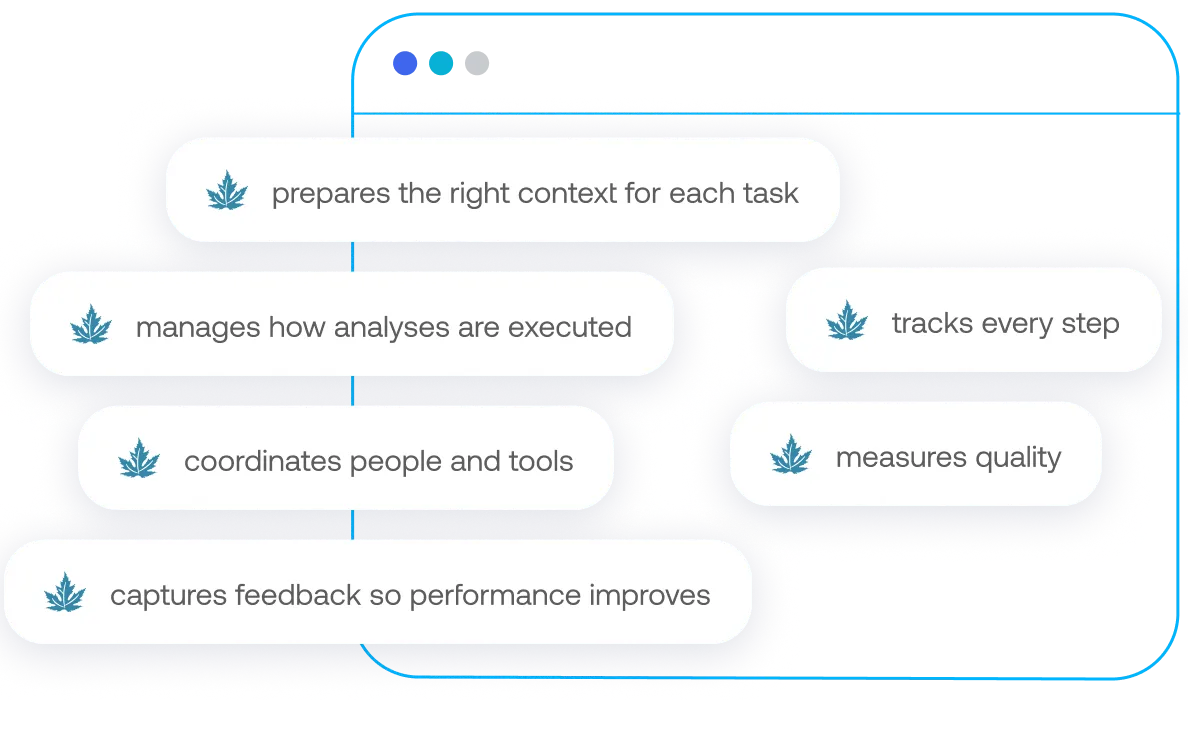
SINE is not a chatbot. It is Toffler’s discipline captured in software. The difference shows in how the system runs. The Meibel platform structures the information, manages execution, records every step, measures quality, coordinates people and tools, and learns from each outcome. These controls make SINE’s results consistent, explainable, and ready to use.
For customers, that means every analysis comes with proof. They can see where the data came from, how it was applied, and when a human expert was involved. It is foresight they can trust while it is running, not just afterward.
A pattern others can follow
Toffler’s story is a roadmap for any organization built on expertise. The lesson is not to chase a newer model. The lesson is to build a system that makes expertise scalable and dependable. SINE shows what happens when structure, measurement, and human judgment come together on the right platform.
Every organization can start by getting its processes, perspectives, and methods out of people’s heads and into a system that can measure and repeat them. The key is to define ownership, measure what matters, and keep humans in the review loop.
If your methods are locked in decks, workflows, and a few expert minds, start by defining how you will prepare context, control execution, track decisions, measure quality, and capture feedback. Each step adds confidence while the AI is running and turns knowledge into something that grows stronger with use.
That is how Toffler moved from one-off insight to a living capability. It is also how any team can move from a good demo to dependable AI at scale.
For teams ready to take that step, Meibel provides the runtime foundation to do it responsibly. With Adaptive Data Ingest, Contextual Retrieval, and Human-in-the-Loop Orchestration, organizations can turn their methods into systems that learn while preserving authorship, provenance, and accountability.

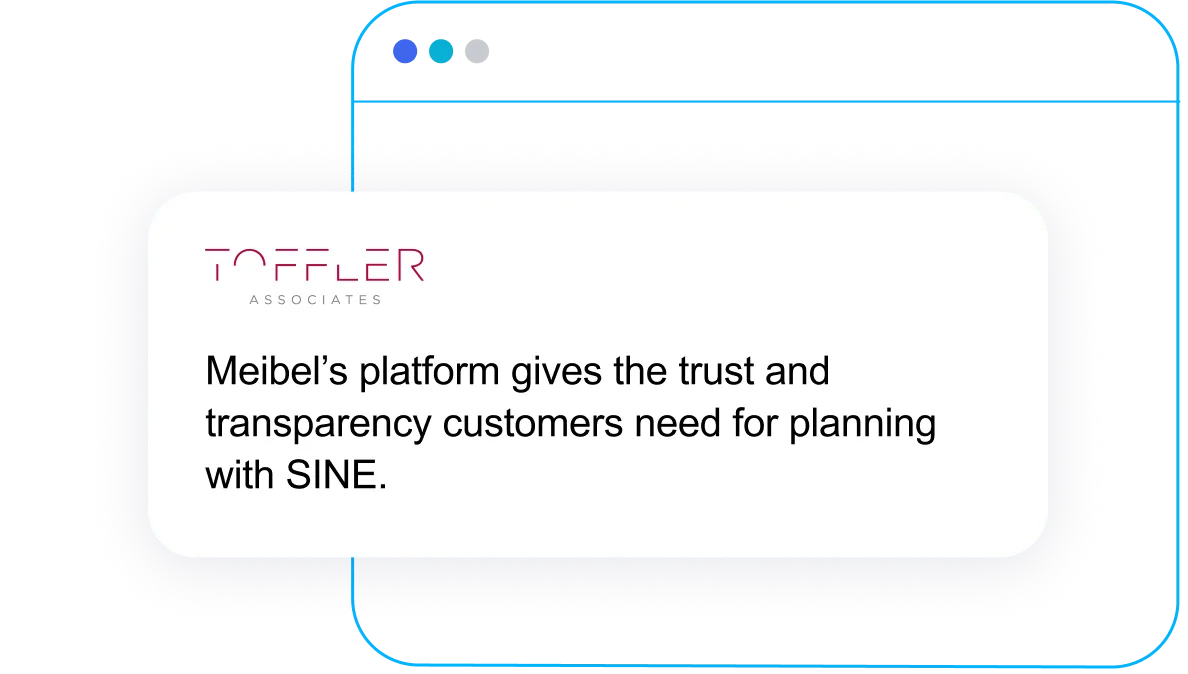
"Meibel's Explainable AI platform is key to unlocking the full potential of our SINESM foresight analysis and scenario platform.
The Confidence Framework builds trust and transparency into SINE’s AI-driven insights that empowers our customers to confidently navigate complex strategic planning.”

Try Meibel
Take Control of Your AI
Empowering engineering and product teams of any size to quickly build, run and scale Explainable AI Experiences.




REQUEST A DEMO
Ready to Build Confident AI?
See how Meibel delivers the three Cs for AI systems that need to work at scale.